
Broken: Brand Identity and Campaign Design
One-line summary
A visual communication project that developed a bold brand identity and rhetorical image campaign for an emerging fashion label focused on youth culture, provocation, and gender-inclusive expression.
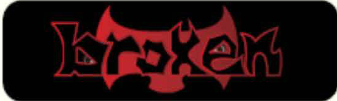
The visual direction was built around a set of keywords including vitality, youth, shock, incisiveness, ebullience, and hip-hop. These ideas informed the use of high-contrast colour, distorted and aggressive typography, layered imagery, and editorial-style compositions. I explored multiple logo treatments and graphic applications to create a visual identity that could feel both rebellious and commercially recognisable
Project info
Type
Branding / Visual Communication / Campaign Design
Context
Undergraduate studio project
Role
Visual identity development, campaign concept creation, poster and mockup design
Tools
Adobe Illustrator, Photoshop, InDesign
Outcome

This project explored how a fashion brand could communicate a distinctive visual identity through typography, image composition, and campaign language. The brand, Broken, was positioned as a bold and emerging label aimed at a younger audience, with an emphasis on expressive styling and gender-inclusive fashion. The main design challenge was to build a visual system that felt provocative, energetic, and memorable while remaining coherent across logos, campaign posters, and branded applications.
Overview
Reflection

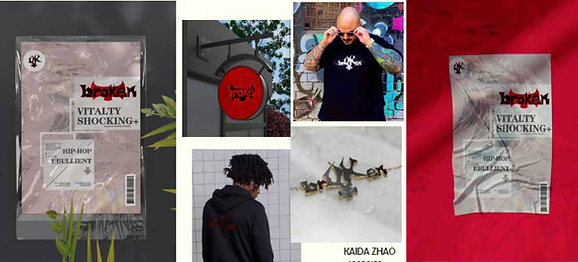

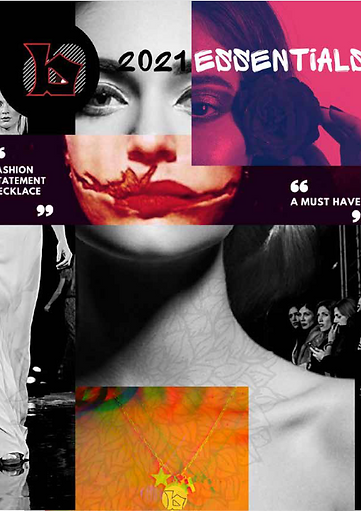
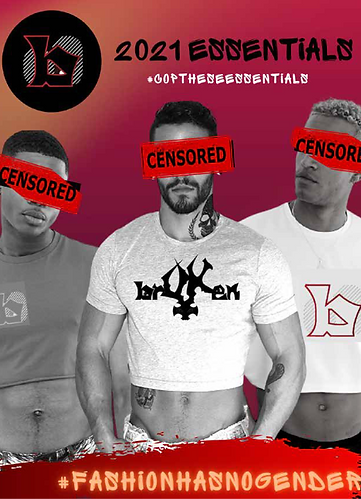
The final outcome was a series of rhetorical campaign images supported by mockups and brand applications. Together, these outputs demonstrated how the identity could extend across promotional materials and convey a strong, expressive voice for the brand.
Final Rhetorical Image Serie

Brand Language
This project helped me build an early understanding of how visual identity can communicate attitude, emotion, and audience positioning beyond words alone. Rather than focusing only on making individual images look striking, I had to think about consistency across typography, colour, composition, and brand tone. Through this process, I became more aware of how graphic choices influence perception and how a visual system needs to work across multiple touchpoints, not just in one final poster. Looking back, the project was more visually driven than research-led, and today I would strengthen it by adding clearer audience testing and more critical evaluation of how the campaign communicates inclusiveness. Even so, it remains an important project in my development because it shows my foundation in branding, visual storytelling, and expressive communication design.